







Introduction: Guardians of Norway’s Wildlife
Norway is famous for its stunning landscapes, from towering mountains to dense forests and flowing rivers.
But with such rich biodiversity comes the challenge of managing wildlife responsibly.
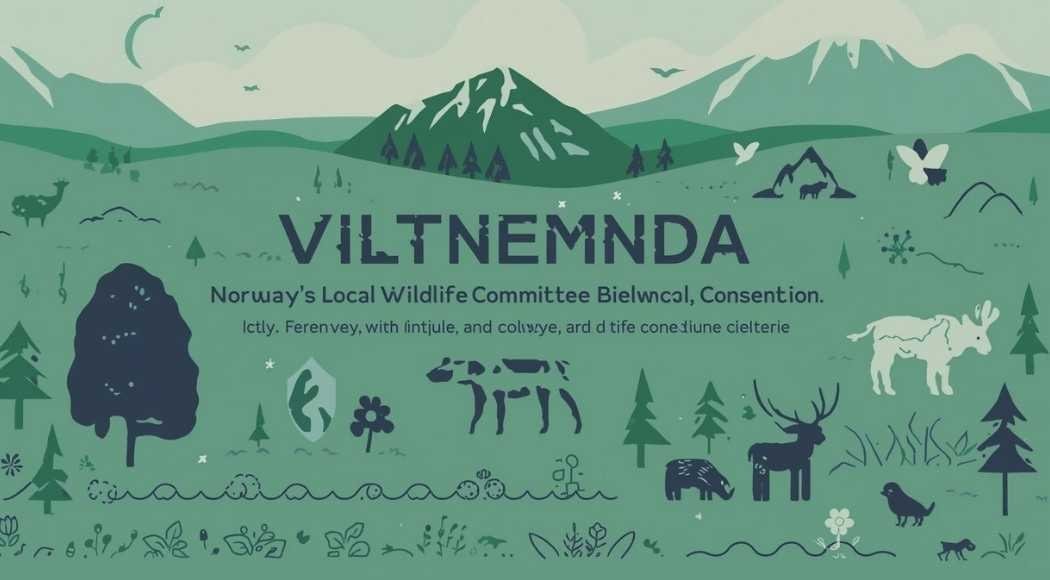
To ensure harmony between humans and animals, Norway established Viltnemnda, a local wildlife committee that operates in every municipality.
Viltnemnda is not just an administrative body — it is a bridge between tradition, science, and community action, guiding sustainable wildlife decisions at the local level.
What is Viltnemnda? Understanding the Local Wildlife Committee
Viltnemnda, which literally means “wildlife committee”, is a legal entity under Norwegian law tasked with managing wildlife-related issues within municipalities.
Its responsibilities include:
- Regulating hunting quotas
- Managing wildlife damage
- Responding to injured or roadkill animals
- Educating communities about wildlife conservation
Through these duties, Viltnemnda ensures that humans and wildlife coexist safely, while also protecting the environment for future generations.
The Cultural and Legal Significance of Viltnemnda
Cultural Roots in Norwegian Tradition
Norwegian culture has always been closely connected to nature.
Hunting, fishing, and forest management are traditions passed down for generations.
Viltnemnda carries this cultural legacy forward, ensuring that modern wildlife practices respect traditional values while remaining scientifically sound.
Legal Authority and Responsibilities
Established under the Norwegian Wildlife Act (Viltloven), Viltnemnda gives municipalities the authority to manage local wildlife.
The committee operates under the municipal council, ensuring that local insights and national laws work together.
Its legal powers include setting hunting quotas, resolving conflicts, and taking action to protect endangered species.
Structure and Composition of Viltnemnda
Viltnemnda committees are carefully structured to include a variety of perspectives:
- Hunters and representatives from hunting associations
- Farmers and landowners
- Environmental and wildlife experts
- Municipal council appointees
This diverse composition allows Viltnemnda to make informed decisions that balance human interests, ecological needs, and scientific knowledge.
Committee members meet regularly, especially before hunting seasons or in response to wildlife emergencies. Decisions are data-driven yet sensitive to local knowledge, ensuring fairness and efficiency.
Key Responsibilities of Viltnemnda
1. Managing Hunting and Wildlife Populations
Hunting is both a tradition and a tool for population control in Norway.
Viltnemnda monitors wildlife populations and sets hunting quotas to prevent overpopulation of species like moose, deer, and birds.
Example: In rural Trøndelag, carefully adjusted moose hunting quotas reduced crop damage and vehicle collisions, creating a safer environment for both people and animals.
2. Handling Wildlife Damage
Animals sometimes damage crops, fences, or forests.
Viltnemnda investigates such cases and recommends solutions, which can include fencing, scare devices, or controlled hunting.
They also coordinate compensation programs for affected landowners, balancing wildlife protection with human livelihoods.
3. Responding to Injured and Roadkill Animals
When animals are hit by vehicles or injured, Viltnemnda coordinates rapid response with hunters, municipal workers, and the police.
The goal is humane treatment and road safety.
Example: A moose injured on a rural road in Nordland was rescued and treated promptly, preventing further accidents.
4. Conservation Monitoring and Research
Viltnemnda continuously monitors wildlife populations, habitats, and migration patterns.
They use:
- Field surveys
- GPS tracking
- Citizen reports
This data helps make informed conservation decisions and contributes to national wildlife management policies.
5. Community Education and Engagement
Education is a vital part of Viltnemnda’s work.
Workshops, school programs, and public campaigns teach people about:
- Wildlife behavior
- Safe interaction with animals
- Environmental stewardship
- Ethical hunting practices
This approach ensures that communities are actively involved in conservation, making wildlife management a shared responsibility.
READ THIS ALSO: BOKEP INDO
Innovative Practices and Modern Tools
Viltnemnda combines traditional knowledge with modern technology:
- GPS trackers to monitor animal movements
- Drones for aerial surveys of habitats and populations
- Mobile apps for citizens to report wildlife sightings or injuries
- Digital databases for hunting quotas, animal populations, and conservation planning
This integration of innovation and tradition allows Viltnemnda to respond faster, make accurate decisions, and involve the community more effectively.
Protecting Endangered and Rare Species
Viltnemnda also plays a crucial role in protecting endangered species such as lynx, wolverines, and rare birds.
Through habitat preservation, careful population monitoring, and community awareness, the committee ensures that these species survive and thrive in human-dominated landscapes.
Example: In Hedmark, a Viltnemnda-led initiative restored nesting habitats for several bird species, resulting in increased hatchling survival rates over three years.
Reducing Human-Wildlife Conflicts
With growing human activity, interactions with wildlife are inevitable.
Viltnemnda mitigates conflicts by:
- Creating safe migration corridors
- Installing warning signs near roads
- Educating farmers on preventive measures
- Relocating problem animals when necessary
These strategies protect both humans and animals, maintaining ecological balance while reducing accidents and damage.
Supporting Sustainable Forestry and Land Use
Forestry is vital in Norway, but logging can threaten wildlife habitats.
Viltnemnda advises forestry operations on sustainable practices:
- Leaving buffer zones for wildlife
- Preserving nesting sites
- Avoiding logging during breeding seasons
This approach ensures that forests can be used responsibly without endangering wildlife populations.
Community and Environmental Impact
Viltnemnda strengthens the relationship between people and nature.
Its work leads to:
- Reduced human-wildlife conflicts
- Safer communities and roads
- Increased awareness and respect for nature
- Preservation of Norway’s biodiversity
By engaging communities, Viltnemnda ensures that everyone has a role in protecting wildlife, creating a culture of conservation.
Challenges and Future Prospects
Climate Change and Environmental Shifts
Warmer winters, unpredictable snow patterns, and changing migration routes require Viltnemnda to constantly adapt strategies.
Resource Constraints
Limited budgets and reliance on volunteers are ongoing challenges. Despite this, committees maintain efficiency and impact through innovation and community partnerships.
Balancing Multiple Interests
Farmers, hunters, conservationists, and tourists have competing interests.
Viltnemnda mediates these conflicts, ensuring that wildlife protection and human needs coexist harmoniously.
Future Directions
- Expanding youth and citizen participation in conservation
- Using AI and digital tools for real-time monitoring
- Adapting policies to climate change impacts
- Expanding eco-tourism while preserving habitats
Global Lessons from Viltnemnda
Viltnemnda serves as a model for community-based wildlife management worldwide:
- Local empowerment ensures decisions reflect real-world knowledge
- Combining tradition with science creates sustainable outcomes
- Community engagement strengthens conservation culture
- Data-driven policies improve efficiency and accountability
Other countries facing human-wildlife conflicts can learn from Norway’s approach to balance human activity with ecological preservation.
Conclusion: Viltnemnda — A Model of Coexistence
Viltnemnda is more than a wildlife committee — it is Norway’s guardian of nature, blending law, culture, science, and compassion.
By managing hunting quotas, protecting habitats, responding to emergencies, and educating communities, Viltnemnda ensures that wildlife and humans live in harmony.
Its work demonstrates that local action can create global impact, making Viltnemnda a true model for sustainable, community-driven conservation.