









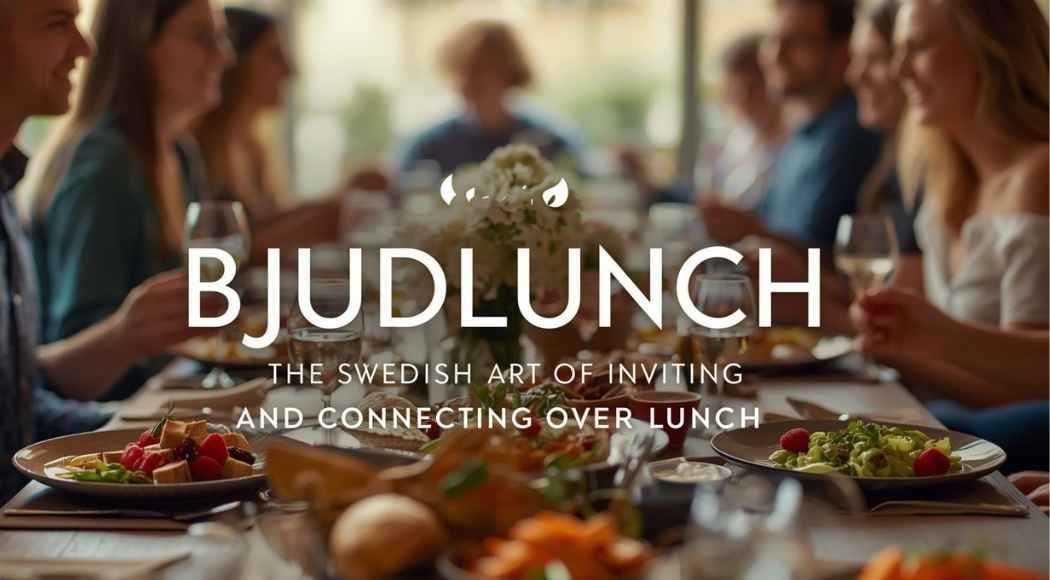
What Is Bjudlunch?
In Sweden, the word bjudlunch literally means “invitation lunch.” It’s a simple yet powerful act where one person offers to pay for another’s lunch — not as charity, but as a sign of goodwill, friendship, and connection.
The idea is rooted deeply in Swedish values of equality, generosity, and social bonding. When someone invites you for a bjudlunch, it’s not about showing off wealth — it’s about showing care.
A Glimpse Into Swedish Culture
Sweden is known for its calm, respectful, and community-focused culture. People value modesty and mutual understanding. Bjudlunch perfectly reflects this mindset — it’s a quiet but meaningful gesture that strengthens both professional and personal ties.
In many ways, a bjudlunch is more than food — it’s social glue. It brings colleagues, friends, and even business partners closer, creating trust and empathy in everyday life.
The Origins of Bjudlunch
The tradition likely began as an extension of Swedish hospitality. In earlier times, inviting someone for food was a way to share warmth during cold seasons. Over time, this custom evolved into a more modern expression — treating someone to lunch as a thank-you, a favor, or simply a friendly act.
What’s beautiful about it is its non-transactional nature. A bjudlunch doesn’t require return payment. It’s about sharing time and appreciation.
Why Bjudlunch Matters in Modern Society
In today’s fast-moving world, we often rush through meals, glued to our phones. The bjudlunch reminds us of something timeless: connection.
It encourages people to slow down, talk, and appreciate others’ presence. Whether it’s a friend, coworker, or client, sharing a meal breaks barriers and builds understanding.
Think of bjudlunch as a bridge — connecting generations, ideas, and emotions.
Bjudlunch in the Workplace
In Swedish offices, bjudlunch has become a natural part of professional culture. Managers might invite team members for lunch to discuss ideas informally. Co-workers treat each other after successful projects or tough deadlines.
These lunches create safe spaces where creativity flows more freely. Studies even show that shared meals improve teamwork, morale, and problem-solving.
A bjudlunch can turn a routine workday into a moment of shared human warmth — something every company can learn from.
The Social Power of Sharing Food
Food is one of the oldest ways humans connect. Around the world, from Japan’s omotenashi to Italy’s aperitivo, meals have symbolized community.
Sweden’s bjudlunch fits perfectly into this global pattern — a gentle reminder that small acts of kindness can create strong social bonds.
When you pay for someone’s lunch, you’re not just offering food. You’re offering time, attention, and respect.
Modern Adaptations: Digital and Global Bjudlunch
Today, Swedes — and people worldwide — are bringing bjudlunch into the digital age. Some companies hold virtual bjudlunches, where colleagues order food delivery for each other and meet over video calls.
In networking platforms like LinkedIn, professionals use bjudlunch as a metaphor — inviting others for a friendly virtual coffee chat or mentoring session.
This shows how an old cultural habit can evolve beautifully in the modern era.
Bjudlunch and Equality
One of the most important Swedish values is jämställdhet — equality. The bjudlunch supports this by removing hierarchy. When someone invites you for lunch, it’s not about power.
Even a boss can invite an intern, and the gesture feels equal, warm, and respectful. It’s about human connection, not status.
That’s why many see bjudlunch as a quiet form of social equality in action.
Examples of Bjudlunch in Everyday Life
- Friendship: After helping a friend move, you might say, “Next lunch is on me.” That’s bjudlunch.
- Work: Your manager thanks you for your effort by inviting you to lunch.
- Networking: A professional invites a newcomer to lunch to share career advice.
- Gratitude: You treat someone who recently helped you — no hidden motive, just appreciation.
Each example shows that bjudlunch is more about intention than food.
Bjudlunch vs. Ordinary Lunch
| Aspect | Ordinary Lunch | Bjudlunch |
| Purpose | Eating or convenience | Building connection |
| Who Pays | Everyone pays for themselves | One person invites |
| Emotion | Neutral | Gratitude and warmth |
| Timing | Routine | Thoughtful occasion |
| Impact | Temporary | Long-lasting relationship |
Psychological Insights Behind Bjudlunch
Human psychology supports the value of shared meals. When people eat together, their brains release oxytocin — the “bonding hormone.”
That’s why a bjudlunch can turn acquaintances into allies. It encourages empathy and understanding, both personally and professionally.
In short, bjudlunch feeds not just the body, but the human spirit.
What the World Can Learn From Bjudlunch
Every culture could benefit from embracing this idea. Imagine if businesses everywhere encouraged employees to invite someone new for lunch each week.
Such a simple act could improve workplace happiness, build collaboration, and reduce loneliness — one meal at a time.
READ THIS ALSO: Starbucks Menu
Hosting Your Own Bjudlunch: A Simple Guide
- Choose the right moment. It could be after a milestone, or just to reconnect.
- Pick a comfortable place. Cafés, parks, or quiet restaurants work best.
- Be genuine. Say, “I’d love to treat you to lunch.” No hidden agenda.
- Listen more than you talk. The beauty of bjudlunch is connection, not performance.
- End with warmth. A simple “Thank you for sharing this time” leaves a lasting impact.
Bjudlunch in the Age of Remote Work
Even in remote work culture, the bjudlunch spirit lives on. Many companies now send meal vouchers to employees and host “virtual lunch hours.”
Though screens separate people, the act of sharing food — even virtually — keeps teams connected and motivated.
It shows how flexible and timeless Swedish culture can be.
Bjudlunch and Environmental Awareness
Modern Swedes also combine bjudlunch with sustainability. Many people prefer vegetarian or eco-friendly meal options during these lunches.
It’s a small way of saying: “I care for you — and for our planet.”
This adds another layer of thoughtfulness to the tradition.
From Local to Global: The Rise of Bjudlunch Spirit Worldwide
Thanks to globalization and social media, bjudlunch is now inspiring people far beyond Sweden. From New York offices to Tokyo cafés, professionals are embracing this Swedish-inspired kindness culture.
It proves that values like gratitude and generosity are truly universal.
The Hidden Message Behind Every Bjudlunch
Behind every bjudlunch lies an unspoken truth — human relationships are built on shared moments. Whether it’s family, friends, or colleagues, food becomes a medium for trust.
So next time someone invites you for lunch, pause and appreciate it. You’re not just being fed — you’re being valued.
READ THIS ALSO: Hot Dog
Conclusion: Bjudlunch as a Way of Life
The Swedish bjudlunch is more than a tradition — it’s a mindset. It teaches us that the smallest gestures can carry the deepest meanings.
In a world full of noise, bjudlunch invites us to slow down, share, and listen. It’s not about how much you spend — it’s about how much you care.
Maybe that’s the secret Sweden has quietly shared with the world:
True connection begins with a simple invitation — “Let’s have lunch together.”